7 minute read
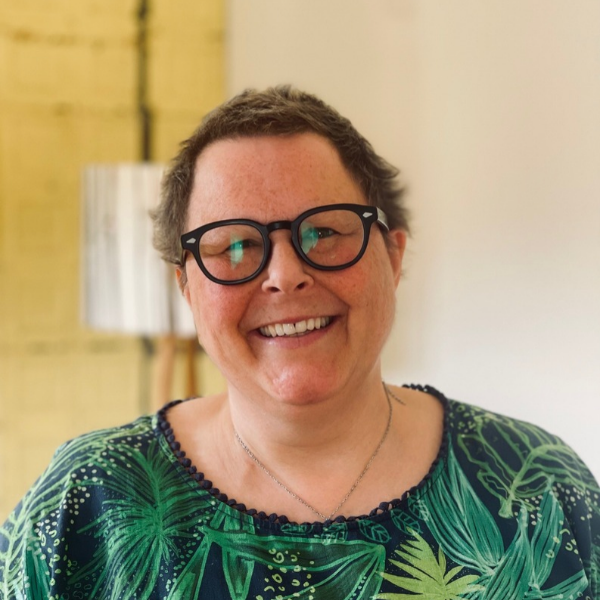
Author: Rachel Andrew MAPA MACP, APA Continence and Women’s Health Physiotherapist
I am an APA titled Pelvic Health Physiotherapist. Women’s health through the life stages is my passion, with a special interest in pelvic pain and endometriosis and perimenopause. I also provide pelvic health education online, to inspire other clinicians who work in this space.
On reflection I started perimenopause during COVID, ironically, having musculoskeletal issues and inflammation that no one could explain, and I couldn’t exercise out. I remember thinking, I want all the smart medicos I know in a room to find out what is wrong with me!
In my clinical work, I was seeing women I knew well, suddenly coming in with anxiety, women with big busy lives (nothing new there), that normally they could manage, suddenly not managing. When seeking help from their GPs, patients were told they were ‘too young’ to be in menopause, or they couldn’t be in perimenopause as their periods were regular. The knowledge base was really varied. This conclusion was echoed in the results of the Senate Inquiry into menopause.
Dr Natasha Vavrek – a Women’s health GP specialist, the clinical lead for our menopause course, told us that her first experience with perimenopause care, was advice from her GP supervisor to, “get them out of the room as fast as you can.” Natasha knew there was much more to it than that and vowed from then on to work in women’s health.
Surely doctors are taught about perimenopause at university?
Sadly no. A knowledge gap exists for the GP specialist about women’s health, at an undergraduate and postgraduate level. A General Practitioner is a specialist in ‘the whole person’, yet receives almost no training on perimenopause. This is repeatedly shown in studies, in the Senate Enquiry into Menopause (2024), The Victorian Bridging the Gender Pain Gap Report (2025), and The South Australian Inquiry into Endometriosis. (Endometriosis and neurodiversity can flare during perimenopause and can be a time when women first get a diagnosis of Endometriosis).
Clinicians recognise this. In fact, in the Victorian report 70% health care professionals reported ‘limited knowledge and skills as a barrier to providing quality care.’ 78% saw ‘education and training as an enabler to provide quality care’.
“Things can get really, really tough during this time for a woman,” says Dr Natasha
“When I started working in this space a decade ago, no woman would come in for a consult and, if they did, they automatically said no to hormones.”
Now that ‘sisters are doing it for themselves’ researching and talking about it, this is fantastic, but sometimes it is hard to tell myths from facts.
Hormone therapy has come a long way
“Hormone therapy has come such a long way,” says Dr Natasha.
“Many decades ago, horse urine was a treatment! What we’ve seen in the last 20 years is this progression into body identical hormones, which are very safe and effective, and not synthetic. There are fewer side effects and risks which means better outcomes for patients.”
Breast cancer is one of those big risks that everybody is worried about. This came to the forefront over 25 years ago with the release of the Women’s Health Initiative study. In the press a big misinterpretation of data occurred. It was stated that hormone therapy was thought to increase the risk or cause breast cancer. Both doctors and patients were understandably scared, and with it being such a big story in the press.
“Women who drink two glasses of wine per night have a greater risk of breast cancer than someone on hormone therapy.”
Training in women’s health to support doctors and nurses in the community
This knowledge gap is why I co-founded Vagenius Training. We are a female led Tasmanian company. Colette, my co-founder, is an adult learning designer and we develop courses with other specialists to make it evidence based, holistic, relevant to practice with practical tips to implement next day! As a practicing clinician, I understand the complexity of pelvic health presentations and the gaps in accessible, structured, clinically useful training. Colette brings skill and experience in learning which clinicians say makes it unique in its approach.
Colette suggested we ‘capture’ what we were doing well, break it down, and share it with colleagues via online education.
As clinicians we need to know what tests to order, the treatments available, what medications to prescribe and much more. Building a therapeutic relationship, providing trauma informed care and clear communication for example, underpin quality patient care and experiences, but these again are skills not taught in general training.
Clinicians who are looking to upskill, will learn how to build a team around their patients and have a deep understanding of what the team members do, because they are learning from the multi-disciplinary team themselves. This means referrals are more likely to be followed up.
Did you know that no referral is required to see a pelvic health physio for example, but if there is a referral to a pelvic health physio, it generally stays in someone’s pocket for about 6 months? Some issues could be resolved in that time!
Timely support, treatment options, and ongoing care near where you live
Our training in Perimenopause and Menopause supports rural doctors and clinicians to more in practice, and we know that for you, this care is much better provided near home if possible. Yet for these clinicians to upskill face-to-face presents extra barriers – extra time, flights, and accommodation. Thanks to Colette’s work, not only are our courses curriculum matched to all the training colleges, but they can also meet scholarship requirements for GPs who work rurally.
The menopause training helps the clinician to identify early signs or symptoms of perimenopause or menopause. This can prevent misdiagnosis and delays in correct treatment.
The Government has put funding into developing menopause guidelines. The issue remains, that clinicians may not have the foundational training to put the patterns of symptom presentations together. This helps them to know that the person ‘in front of them’ may be starting perimenopause. Vagenius Training is here to upskill those GPs to bridge the gap in the communities they serve.
Our results are excellent, with 100% of clinicians recommending our menopause course to colleagues. Results from GPs and nurses who choose to upskill with this learning, show they feel more confident and have gained clinical skills to support their patients to manage pelvic pain, endometriosis or perimenopausal and menopausal symptoms.
However, our voice needs amplifying and this is where can help – if you love your GP but feel they are struggling to work with you to find the answers you both need, let them know about our training. As a clinician, I learn so much from my patients!
Bio
APA Titled Continence and Women’s Health Physiotherapist, Rachel Andrew is an experienced, skilled clinician with years in the public and private sector.
As a Pelvic Health Physiotherapist Rachel treats a range of issues impacting girls, women and those assigned female at birth. She has a special interest in treating women during perimenopause and with persistent pelvic pain and endometriosis.
With her partner, a learning design specialist, Rachel is co-founder of Vagenius Training – providing online pelvic health training by clinicians for clinicians. The goal is to rapidly upskill clinicians with the latest evidence based knowledge and practical skills which are not taught in undergraduate or postgraduate training.