3 Minute Read
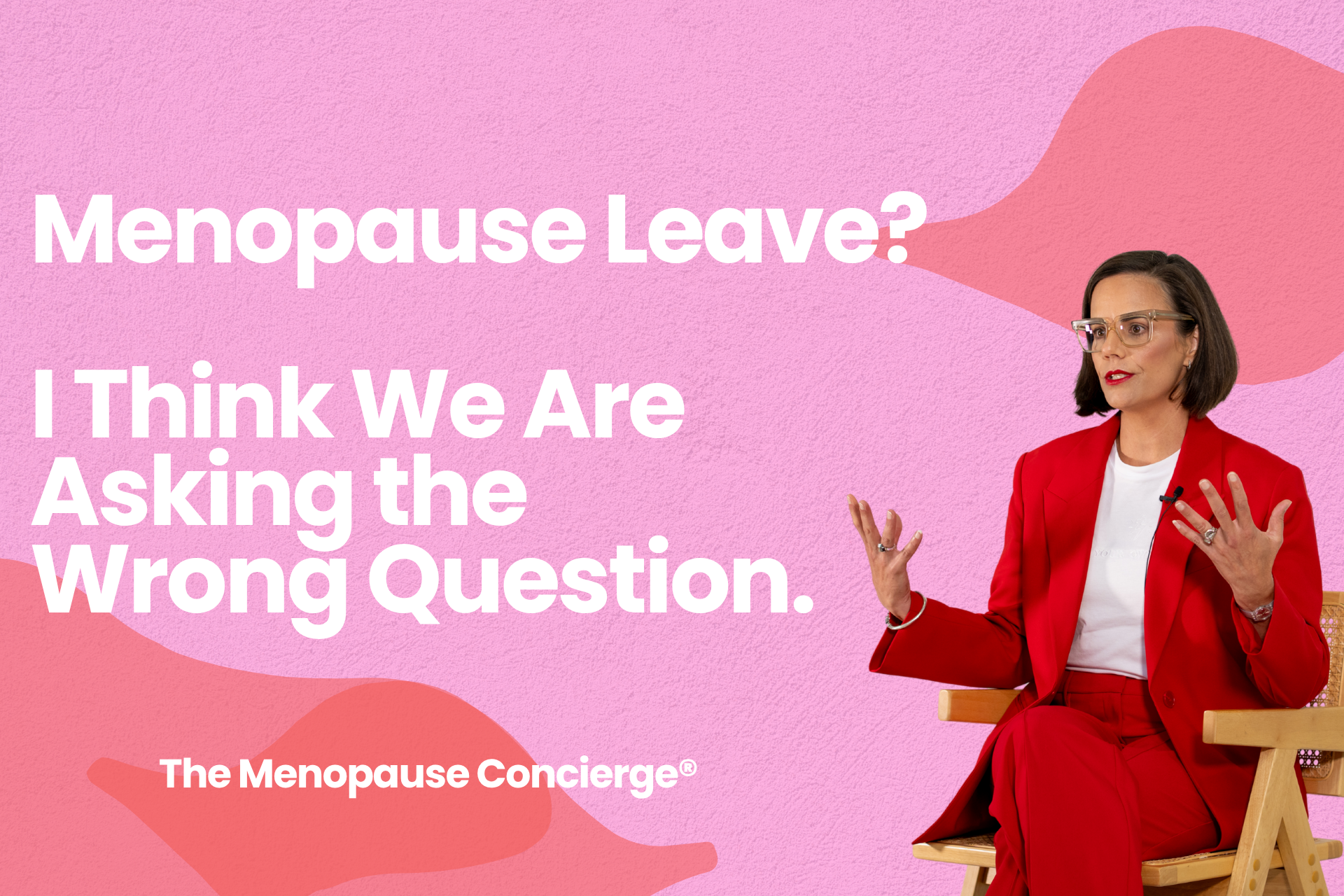
Author: Megan Hayward, The Menopause Concierge®
For too long, workplaces have been designed around assumptions about who works there, rather than the biological realities of the people within them. But that is beginning to change.
In December 2025, Safe Work Australia updated its Model Code of Practice: Managing the Work Environment and Facilities, introducing important guidance on access to period products and reinforcing the responsibility to provide safe, hygienic and appropriate workplace facilities.
While these changes may seem small, they represent something much bigger: recognition that biological health needs belong in mainstream workplace health and safety conversations.
What has changed, and why does it matter?
The updated Code provides practical guidance for employers and those responsible for workplace health and safety, including:
- Access to period products: Recognising that limited access to essential menstrual products can create health, hygiene and psychological risks, particularly for workers in remote locations, on long shifts or with limited access to personal belongings. The Code recommends providing products where reasonably practicable.
- Safe, private and hygienic amenities: Reinforcing the importance of accessible toilets, appropriate washing facilities, privacy and sanitary disposal arrangements.
- Psychological safety and dignity: Acknowledging the need to manage psychosocial risks, including sexual and gender-based harassment, alongside physical workplace risks.
- Workplaces designed for the people using them: Encouraging consideration of workplace conditions, facilities and the diverse needs of workers rather than relying on a one-size-fits-all approach.
Why this is important particularly in construction and other male dominated industries
Having spent more than 25 years working in the construction industry, I know how frequently workplace design and amenities have reflected a predominantly male workforce.
In Queensland, regulations introduced on 1 January 2025 strengthened requirements for designated female toilets and appropriate amenities on certain construction projects.
These changes are particularly significant for industries seeking to attract and retain more women.
We cannot genuinely encourage more women into traditionally male-dominated industries without ensuring the workplaces themselves are equipped to support them and while this amendment is not perfect, it is an important step towards biology-informed workplaces.
I have long advocated for biology-informed workplaces: environments that recognise how biological health can influence safety, participation, performance and wellbeing throughout our working lives.
That includes menstruation, pregnancy, reproductive health conditions, perimenopause and menopause and every other female dominant experience.
The updated Code does not address every aspect of women’s biological health, nor does it provide comprehensive menopause-specific workplace guidance, however it is an important step towards recognising that physical facilities, psychological safety and biological health are interconnected.
And when considered alongside developments such as ISO 45010, the international standard providing guidance on menstruation and menopause in the workplace, it signals an encouraging direction for workplace health and safety.
The challenge now is for organisations to move beyond minimum compliance and ask better questions: Are our workplaces designed to safely support the workforce we actually have?
Are we identifying unnecessary barriers? Are we consulting workers about their needs? And are we creating environments where people can participate, perform and thrive without compromising their health, safety or dignity?
A biology-informed workplace is not about special treatment. It is about recognising and removing unnecessary barriers so people can safely participate, perform and thrive throughout their working lives.
And that is progress worth supporting.
Read the official guidance
Note: Model Codes of Practice provide practical guidance and must be approved in individual jurisdictions to have legal effect. Employers should confirm the requirements applicable in their state or territory.