5: minute read
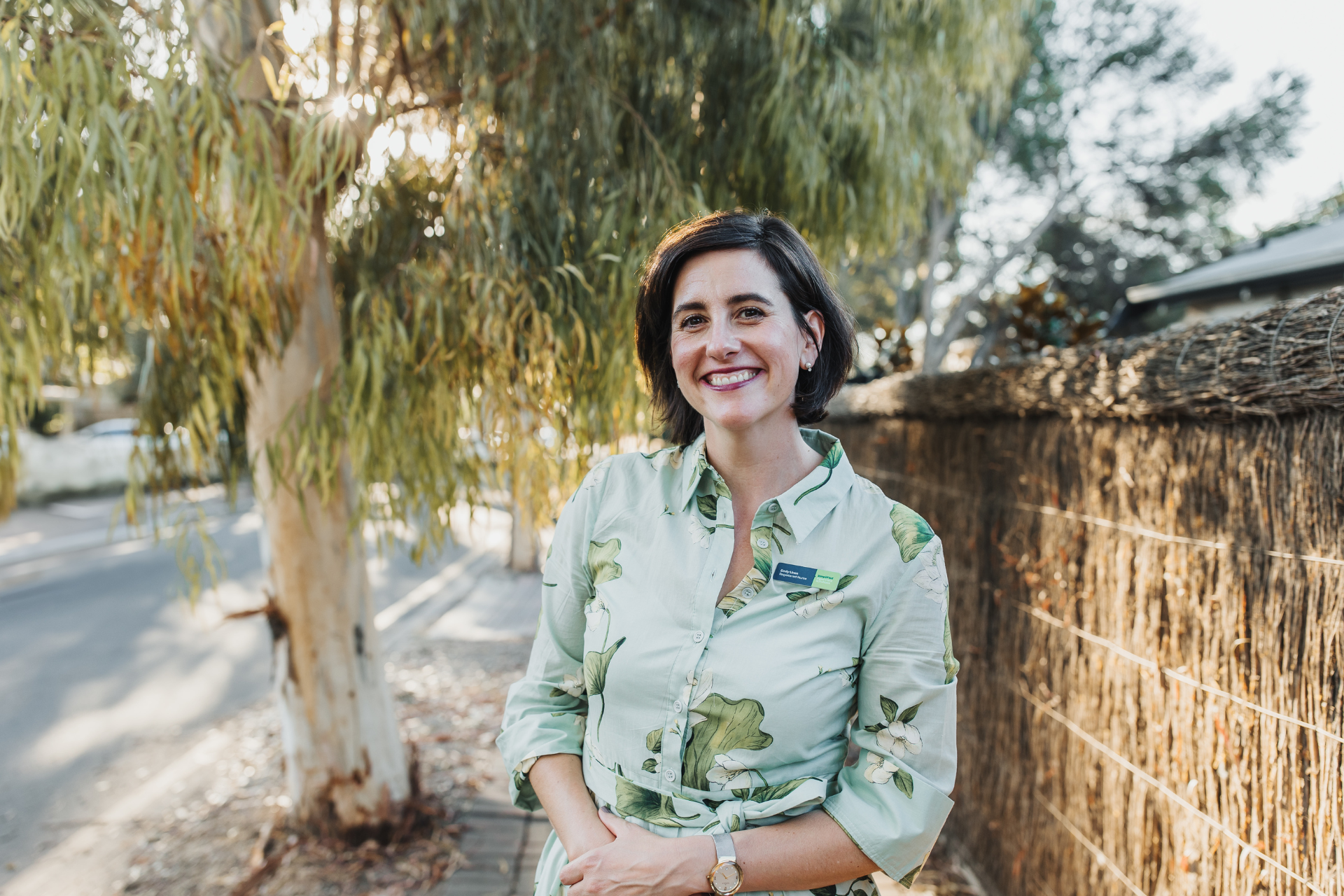
Author: Emily Lines, Founder, Simplified Aged Care Solutions
There is often no single moment when you become a carer for your parent. It happens gradually.
You start attending the occasional appointment. You notice the fridge is a little emptier than usual. Mum starts repeating herself. Dad stops driving at night. You find yourself making a few phone calls because they’re overwhelmed by questions from the bank or struggling to navigate something online.
Then, almost without noticing it, you’ve become the person coordinating everything.
For many women, this happens at an already incredibly busy stage of life. We may be at the height of our careers, managing teams and increasing professional responsibilities. We may still have children at home, juggling school, extracurricular activities and the challenges of parenting in a world of social media.
Somewhere amongst all of that, we’re also trying to find a moment for ourselves.
Then our parents start needing us differently.
It was this intersection that ultimately led me to start Simplified Aged Care Solutions.
I’ve been a registered nurse for close to 20 years, working across community health, palliative care, hospitals and geriatrics, supporting people living with stroke, dementia and chronic disease.
One of the most rewarding roles I ever had involved supporting older people after they presented to an Emergency Department. I would arrive at their home the following day, walk through their front door and help work out what needed to happen next.
Sometimes that meant organising services. Sometimes it was making phone calls, coordinating appointments or simply explaining what was happening and what to expect.
I will never forget the relief I would see on people’s faces.
Years later, while working in senior roles across the hospital and aged care systems, I could see those systems becoming increasingly complex. More people were trying to access services, families were overwhelmed, and our ageing population was placing increasing pressure on a system that was already difficult to navigate.
At the same time, I found myself thinking about my own parents.
I was in a demanding professional role and realised how difficult it would be to simply walk away from my responsibilities for three weeks if one of my parents suddenly needed me.
That was one of the reasons Simplified Aged Care Solutions was born.
Today, families often contact me when they have already reached crisis point. Mum has fallen. Dad is in hospital. Someone’s cognition has deteriorated. Or the person who has been holding everything together simply cannot do it anymore.
But what I would really love more families to understand is that we can prepare before we reach that point.
Start having the difficult conversations. Ask your parents what matters to them as they age. What would they want if they could no longer live independently? Who do they trust to make decisions for them if they cannot? What does quality of life mean to them?
Make sure important foundations are in place. Do they have an Enduring Power of Attorney and Advance Care Directive? Do you know who their GP is? Do you know their Medicare and My Aged Care details? If appropriate, are you registered as a supporter on their My Aged Care account?
Then pay attention to the small changes.
Increased anxiety, changes in mood, apathy, withdrawing socially, losing motivation or struggling with things they previously managed easily can all be signs that something is changing.
But one of the hardest things to remember is that your parents are still adults.
As roles begin to shift, it can be incredibly frustrating to see risks that they don’t see, or risks they are prepared to accept. Unless their capacity to make decisions has changed, they still have the right to make their own choices. In aged care, we often call this the dignity of risk.
Sometimes our role is not to take over. It is to understand their wishes, have honest conversations and stand in the wings, ready to support them when they need us.
And while you are doing all of this, remember to look after yourself.
You cannot sustainably support someone else if you are drowning yourself. Set boundaries. Share the responsibility where you can. Build a network around you and recognise when you need help.
Most importantly, know that you do not have to become an expert in aged care simply because your parents are getting older.
There are GPs, aged care providers and professionals who can help you navigate what comes next. Simplified Aged Care Solutions exists for exactly this reason, to help families understand their options, make a plan and feel less alone when the roles begin to change.
Because supporting our parents as they age isn’t about taking away their independence.
It’s about being prepared to walk alongside them.
Bio: Emily Lines is a Registered Nurse, aged care consultant and founder of Simplified Aged Care Solutions. With 20 years of experience across geriatrics, community health, hospitals and palliative care, Emily has seen firsthand how complex and overwhelming navigating aged care can become for individuals and their families.
She founded Simplified Aged Care Solutions to provide families with practical, independent guidance through the aged care system—from understanding what support is available at home to navigating My Aged Care, care planning and residential aged care.
Above all, Emily is passionate about helping older people maintain their dignity, choice and independence, while giving their families the knowledge and confidence to support them through the changing stages of ageing.